By Robin Steedman
On October 2nd, 2014 the Kenya Film Classification Board banned Stories of Our Lives from being distributed, exhibited, or broadcast within Kenya on the basis that it “has obscenity, explicit scenes of sexual activities and it promotes homosexuality which is contrary to our national norms and values.” The narrative surrounding this film was thus forever changed.
When we met in Nairobi the producer, Wangechi Ngugi, told me that producingStories of Our Lives was a “dream come true” because her goal as a filmmaker is to “tell stories that open up dialogue” on taboo subjects and “to get people to start talking.” The fact that this very conversation was banned from happening ironically shows just how necessary it is in contemporary Kenya. The beauty of the five shorts that make up the film is that they are explorations of themes as human and familiar as love, desire, and loss. In effect, the message is that queer Kenyans are not so different from other Kenyans. This may seem trite, but in a country where homosexuality is still illegal and its ‘spread’ is actively feared by some (as we see in the final short film) the point that understanding and tolerance is possible, is of fundamental importance.
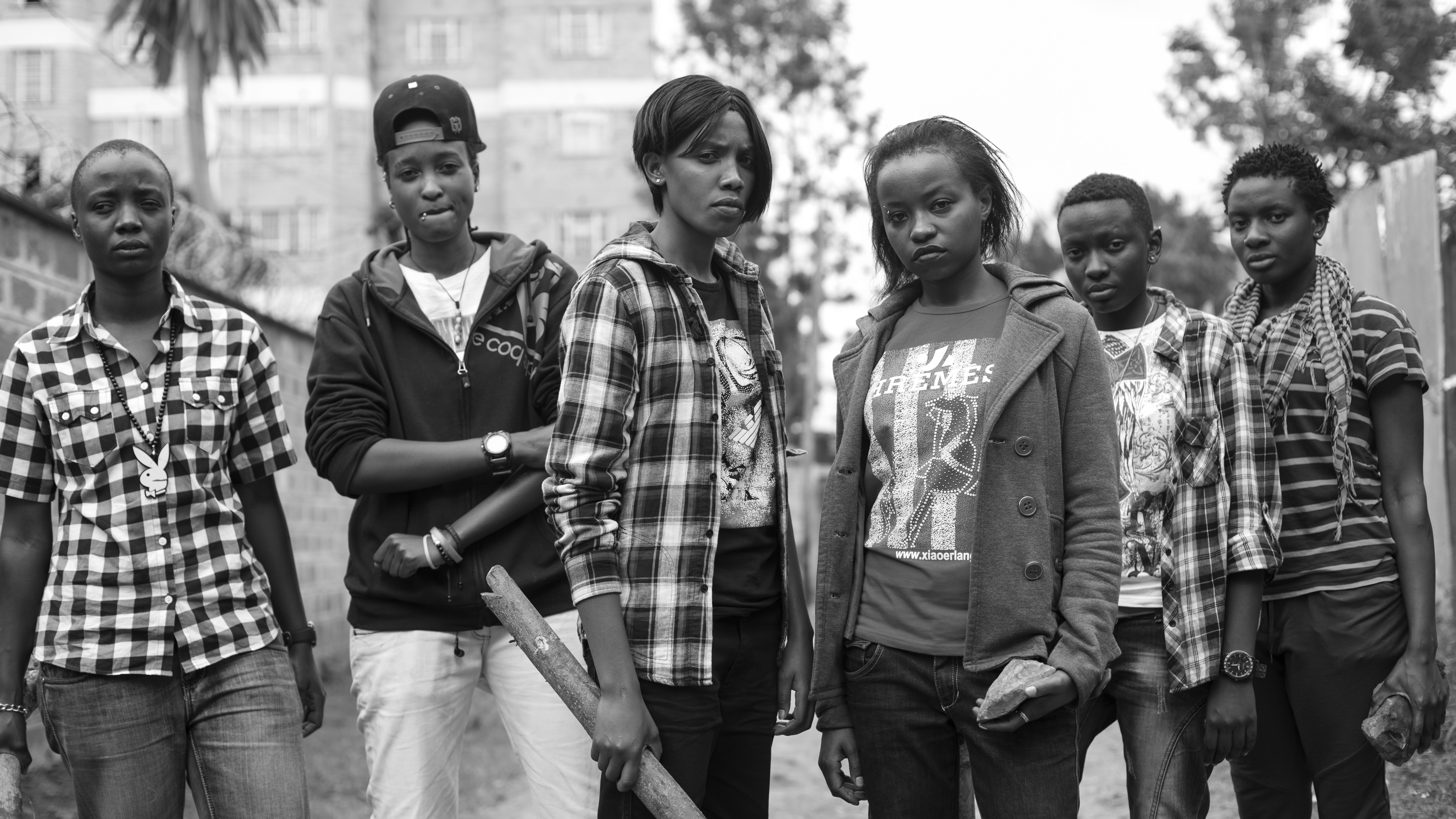
The film conveys its message through a sequence of five short films shot in an almost over-exposed black and white. Ask Me Nicely depicts a teenage love affair between two girls. They face harassment because of their sexuality, but they also contend with commonplace teenage struggles about fitting in and finding yourself. This theme is echoed in the next short Run, as it is about a young man discovering Nairobi’s underground gay club scene and starting to explore his own desires whether or not they conform to what his friends see as socially acceptable. Athman is a heart-breaking piece on one-sided love. Here two young best friends must cope with the fact they love each other in different and irreconcilable ways.
The film has light-hearted moments as well as serious ones, and a particularly striking moment of levity occurs in Duet when Jeff (Mugambi Nthiga) corrects his hired lover that he is not just from Africa, but specifically from Kenya. The final short,Each Night I Dream, is the most political story of the film and it interweaves local mythology and contemporary religious politics into a powerful and poetic statement about belonging and what exactly it means to be African if homosexuality is ‘un-African.’ Each of the short films is a simple snap shot of one moment in time, but together they form a nuanced and multi-faceted portrait of lives in contemporary Kenya that so often remain unseen and unspoken about.

On October 1st, 2015 the Nest Collective released a book called Stories of Our Lives: Queer Narratives From Kenya that includes many of the 250 stories that they collected from across Kenya in 2013. I can only hope that this book, made from the same stories and with the same spirit of openness and inclusivity, can open the dialogue that the film has been prevented from starting in Kenya.
Stories of Our Lives is part of ‘From Africa, with Love’